
The first question after a type 2 diabetes diagnosis, or a blood test that comes back flagged, is usually "what can I actually eat now." The answer is less dramatic than expected: no special foods, no carb elimination, and no sugar-free product aisle. What changes is how you build the plate and in what order you eat it. The tool clinicians lean on is the Diabetes Plate Method, and it works for home cooking, takeout, and restaurant meals alike.
The plate method
Take a normal dinner plate, about nine inches, and divide it in four:
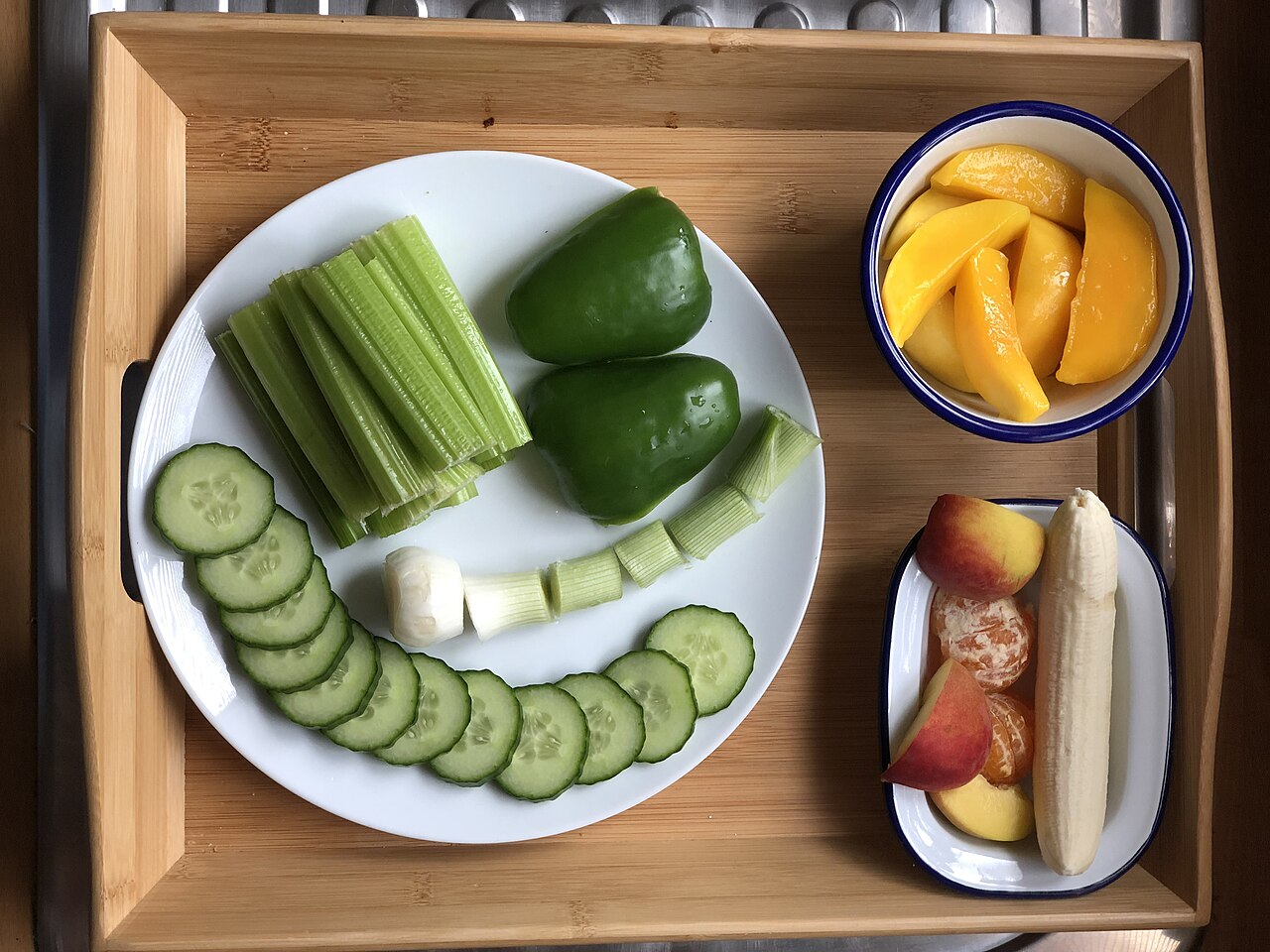
Half goes to non-starchy vegetables: broccoli, spinach, cauliflower, peppers, green beans, cucumbers, tomatoes, mushrooms. This half barely moves blood sugar and does most of the filling-up work.
One quarter goes to lean protein: fish, chicken breast, eggs, tofu, plain Greek yogurt, lean beef or pork.
The last quarter is carbohydrates, chosen for fiber: brown rice, quinoa, oats, beans, lentils, whole-grain bread, sweet potato.
Outside the plate, add a little healthy fat: olive oil in the cooking, a few nuts, some avocado.

The point of the method is the proportions, not calorie math. If every meal roughly hits this geometry, portion and carb consistency take care of themselves.
A traffic light for foods
Green, eat freely: all non-starchy vegetables, beans and lentils, whole grains, fish and poultry, eggs, nuts, plain yogurt, berries.
Yellow, fine in portions: fruit, one or two fist-sized servings a day, whole rather than juiced; milk and yogurt, unsweetened; starchy vegetables like potatoes and corn, which count as the carb quarter, not the vegetable half.
Red, rare: sugar-sweetened drinks including sweet tea, energy drinks, and juice; refined carbs like white bread and pastries on their own; chips, cookies, and ultra-processed snacks; bacon, sausage, and other processed meats. Red means occasional, not forbidden.
One thing surprises people: watermelon has a high glycemic index but a low glycemic load, because a real serving carries little carbohydrate. Plain oatmeal looks innocent but spikes faster than expected. What matters is the actual carbohydrate load and absorption speed of the meal, not whether a food tastes sweet.
Breakfast swaps
The classic American breakfast is one of the worst glucose events of the day: a bagel, sweetened cereal, orange juice, or a muffin delivers fast starch with almost no protein or vegetables to slow it.
Swaps that hold up: Greek yogurt with berries and nuts; oatmeal made with milk or topped with chia and peanut butter; a vegetable omelet with one slice of whole-grain toast; cottage cheese with fruit; a smoothie built on unsweetened yogurt, berries, and spinach instead of juice.
The single rule: protein cannot be missing from breakfast, the carb should be whole-grain, and juice is not a fruit serving.
Ordering takeout
Takeout's failure mode is oversized starch, minimal vegetables, and sweet sauces. Ordering with the plate method means deconstructing the menu:
At Chipotle-style places, get a bowl, skip or halve the rice, double the fajita vegetables and beans, add protein and guacamole. At sandwich shops, six-inch whole wheat loaded with vegetables beats any footlong. At Chinese takeout, steamed dishes with sauce on the side, extra vegetables, and rice halved. Fast food isn't off-limits; a grilled chicken sandwich without the sugary sauce plus a side salad is structurally closer to the plate than most "healthy" wraps drenched in sweet dressing.
Ask for sauces and dressings on the side and use half. Glazes, teriyaki, and most creamy dressings are where the hidden carbohydrate sits.
Restaurants and gatherings
Order of eating has measurable effects: vegetables and protein first, starch last, has been shown to reduce post-meal glucose spikes by 20 to 30 percent in people with type 2 diabetes or impaired glucose tolerance. At a restaurant that simply means eating the salad and entree before touching the bread basket or the side of potatoes.
Alcohol deserves a straight answer. It doesn't spike glucose by itself, but it masks hypoglycemia symptoms and usually arrives alongside snack carbohydrates. If you take glucose-lowering medication, drink only with food and keep it modest.
Watch the politeness trap at gatherings: taking "just a bite" of carbs while keeping your normal medication dose. If you use insulin or a sulfonylurea, a much smaller carb intake than your prescription assumes can push you into hypoglycemia. Carb distribution for medicated patients is set by the clinician, not by willpower at the buffet.
Two boundaries that aren't negotiable
Everything above assumes diet and exercise management, or medications that don't cause hypoglycemia, like metformin. If you're on insulin or sulfonylureas, changing how much carbohydrate you eat, or when, needs to go through your prescriber first, because the dose was calibrated to your old eating pattern.
And when headlines say diet can "reverse" diabetes, they're usually citing trials like DiRECT: an 800-calorie meal-replacement program under medical supervision that put about 46 percent of participants into remission at one year. That's an intensive clinical intervention, not something home cooking replicates. Use it as evidence that diet matters enormously, not as an expectation for your own meal plan.
The first thing to change
Don't overhaul recipes. Change the sequence at your very next meal: vegetables and protein first, starch last, and mix some whole grain into the rice or bread. Watch your own post-meal numbers for two weeks. That tells you more about which meals work for you than a month of reading.
Sources
- CLS Health type 2 diabetes meal plan (dietitian-reviewed, updated July 2026)
- MyCookingCalendar evidence review
- DiRECT trial published outcomes
This article summarizes public health information and isn't medical advice; medication and diet changes should go through your clinician.