
Carrying a 2-liter (68-ounce) or half-gallon water jug to replace daily sweetened lattes, boba, and soda has become a staple desk habit under the viral "Big Water Theory" trend. Trading a daily sweetened coffee drink or soda for a 2-liter bottle of plain water produces three changes backed by randomized clinical trials: cutting 35 to 60 grams of liquid added sugar per cup, increasing weight loss by 44% to 100% when 500 mL (about 17 ounces) is consumed before main meals, and cutting five-year kidney stone recurrence by more than half once daily urine output reaches at least 2,000 mL.
At the same time, many people adopting the 2-liter jug habit quit unsweetened black coffee and plain tea unnecessarily, or chug half a jug at night to hit an arbitrary volume target. Separating the clinical trial conditions from social media slogans, alongside the National Academy of Medicine fluid guidelines and the kidney's hourly excretion limit, keeps the habit effective and safe.
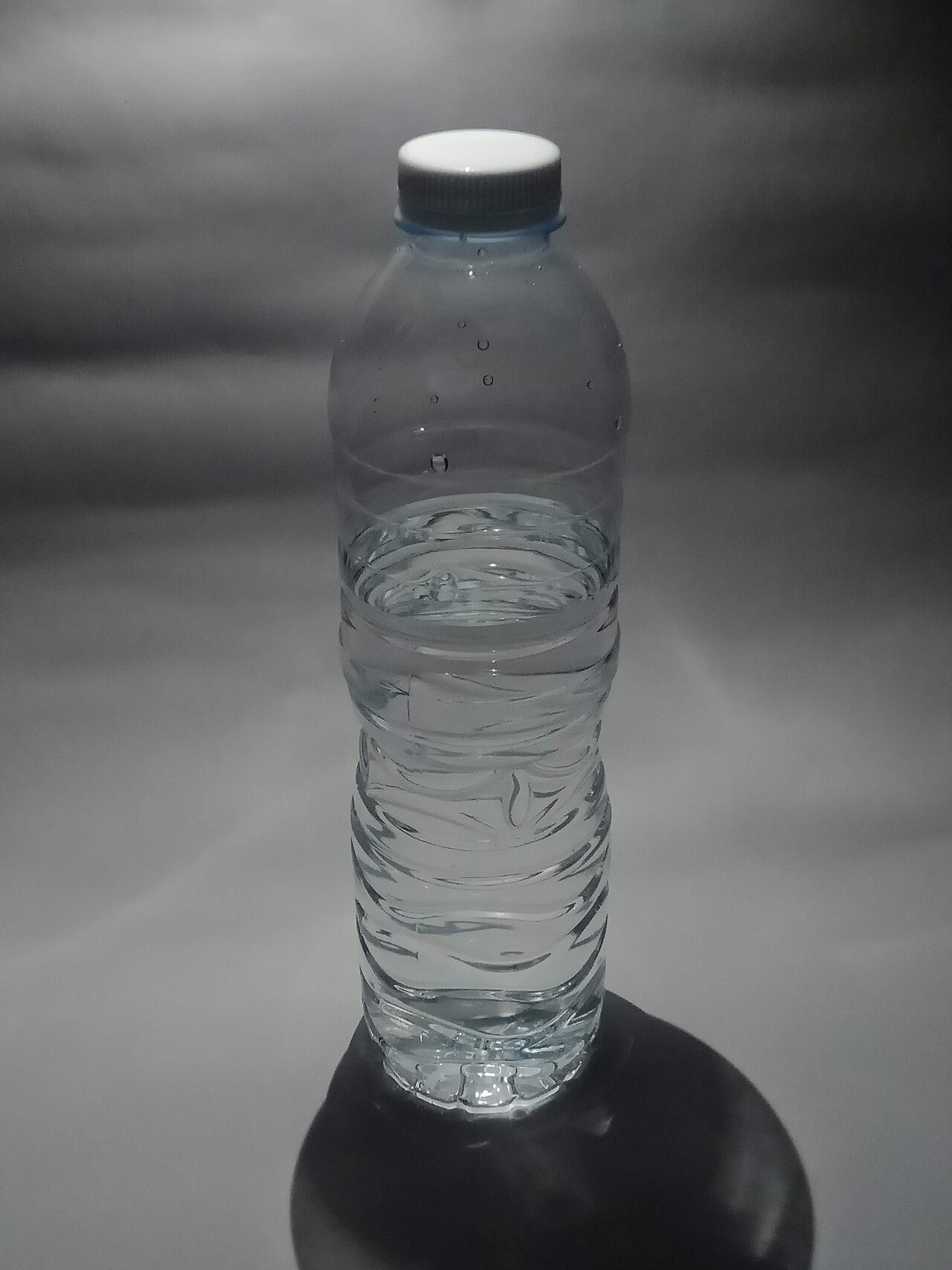
What 18 randomized clinical trials show on weight loss and kidney stones
Drinking more plain water improves weight management and urinary tract health in clinical studies, provided the timing and patient profile match the trial protocols. In November 2024, urology and epidemiology researchers at the University of California, San Francisco (UCSF) published a systematic review in JAMA Network Open examining randomized clinical trials (RCTs) that tested defined changes in daily water intake. Out of 1,464 articles screened across PubMed, Web of Science, and Embase, only 18 RCTs met strict inclusion criteria, covering sample sizes from 14 to 631 participants and durations from 4 days to 5 years. Ten of the 18 trials demonstrated statistically significant clinical benefits, while eight trials showed no measurable change in their primary end points.
For weight loss, the decisive variable across the four included obesity trials was whether the water was consumed right before meals. In three parallel-group RCTs involving adults with overweight or obesity, participants were instructed to drink 500 mL (16.9 fluid ounces) of water roughly 30 minutes before breakfast, lunch, and dinner, totaling 1,500 mL per day. In a 12-week primary care trial of 84 adults with a body mass index (BMI) of 30 or higher (Parretti et al., 2015), premeal water loading produced 1.3 kg (2.9 pounds) greater weight loss than a control group instructed to imagine a full stomach before eating. In two additional trials combining a hypocaloric diet with 500 mL of premeal water three times daily, adult participants achieved 44% greater weight loss over 12 weeks (Dennis et al., 2010) and 87% greater weight loss maintenance over 12 months (Akers et al., 2012) compared with diet alone. Conversely, a fourth trial that randomized 38 adolescents with overweight or obesity to increase total water intake to eight 8-ounce cups (1,920 mL) per day for six months without a premeal schedule (Wong et al., 2017) recorded a 0.0 change in BMI z-score (P = .88).
Premeal water works because 500 mL of liquid distends the stomach shortly before eating, triggering early mechanical satiety signals. In controlled test-meal studies cited by the UCSF review (Davy et al., 2008; Van Walleghen et al., 2007), older adults who drank 500 mL of water 30 minutes before breakfast consumed 13% fewer calories (roughly 111 kcal less) during the meal itself. When that 2-liter jug also replaces a 16-to-24-ounce sweetened iced coffee or soda, total daily energy intake drops from both ends; sipping extra water randomly throughout the afternoon without changing meal portions or caloric drinks does not burn fat on its own.
The strongest long-term disease-prevention evidence in the 18-trial review centers on kidney stones (nephrolithiasis) and recurrent urinary tract infections (UTIs). In a five-year randomized trial of 221 patients recovering from a first idiopathic calcium kidney stone (Borghi et al., 1996), participants coached to drink enough water to maintain at least 2,000 mL (68 ounces) of daily urine output experienced a 12% five-year stone recurrence rate (12 of 99 patients), compared with 27% in the usual-intake control group (27 of 100 patients, P = .008). That translates to 15 fewer stone recurrences per 100 patients over five years, while lengthening the average time to a repeat stone from 25.1 months to 38.7 months. Similarly, in a 12-month RCT of 140 premenopausal women with recurrent cystitis who previously drank less than 1,500 mL of fluid daily (Hooton et al., 2018), adding 1,500 mL of daily water reduced annual UTI episodes from 3.2 to 1.7 (1.5 fewer infections per year, P < .001), cut antibiotic regimens, and extended the interval between infections by 58.4 days. Higher urine volume dilutes calcium oxalate supersaturation in the renal pelvis and flushes uropathogenic bacteria from the bladder before they adhere to the mucosa.
| Clinical Outcome Evaluated | Included RCTs and Population | Water Intervention Protocol | Measured Trial Result | Practical Takeaway for Readers |
|---|---|---|---|---|
| Adult weight loss (premeal timing) | 3 RCTs (171 adults with overweight or obesity) | 500 mL (16.9 oz) of water 30 minutes before all 3 main meals (1,500 mL/day) for 12 weeks to 12 months | 44% to 100% greater weight loss vs. control; 1.3 kg (2.9 lbs) extra loss over 12 weeks without diet coaching | Split 1.5 L of your jug into three 500 mL glasses 30 minutes before breakfast, lunch, and dinner |
| Adolescent weight change (unscheduled) | 1 RCT (38 adolescents with overweight/obesity drinking ≤4 cups/day) | Target of 8 cups (1,920 mL/day) unscheduled across 6 months (actual intake averaged 1,135 mL/day) | 0.0 difference in 6-month BMI z-score between groups (P = .88) | Carrying a jug and sipping at random times without meal preloading or cutting sugary drinks does not lower BMI |
| Kidney stone recurrence | 2 RCTs (221 first-time calcium stone patients over 5 years + 48 healthy adults over 6 days) | High water intake to keep 24-hour urine output at ≥2,000 mL (68 oz), or +2,000 mL/day extra water | 5-year stone recurrence dropped from 27% to 12% (15 fewer events per 100 patients); lower urinary crystallization index | Anyone with a history of calcium kidney stones should drink enough to produce at least 2.0 to 2.5 L of pale urine daily |
| Recurrent urinary tract infections | 1 long-term RCT (140 premenopausal women drinking <1.5 L/day with recurrent cystitis) | +1,500 mL (50 oz) of additional daily water over 12 months | Annual UTI episodes fell by 1.5 per year (1.7 vs. 3.2, P < .001); 58.4 extra days between infections | Underhydrated women prone to recurrent bladder infections gain a clear protective benefit from adding 1.5 L of water |
| Fasting blood glucose (FBG) | 2 RCTs (40 adults with type 2 diabetes vs. 60 adults with normal/borderline FBG 90 to 126 mg/dL) | Diabetes group: 1,000 mL/day premeal water for 8 weeks; Normal group: 1,100 mL/day morning/bedtime for 12 weeks | Diabetes group FBG fell by 32.6 mg/dL (P = .003) alongside weight loss; normal baseline group saw no change (+0.6 mg/dL, P = .87) | Premeal water helps lower elevated fasting glucose in type 2 diabetes, but extra water does not alter normal blood sugar |
| Stage 3 chronic kidney disease (CKD) | 2 RCTs (631 adults over 12 months + 29 adults over 6 weeks) | Coached to drink 1,000 to 1,500 mL/day of additional oral water | No significant difference in 12-month kidney filtration decline (eGFR effect size -0.3 mL/min/1.73 m², P = .74) | Drinking extra water does not reverse existing chronic kidney disease; advanced CKD patients must follow physician fluid limits |
The bottom two rows of the UCSF evidence table clarify where extra water stops helping. In the 631-patient CKD WIT trial (Clark et al., 2018), coaching adults with stage 3 chronic kidney disease to drink an extra 1 to 1.5 liters of water daily for a year did not slow the decline in estimated glomerular filtration rate (eGFR). Likewise, while premeal water lowered fasting blood glucose by 32.6 mg/dL over eight weeks in patients with poorly controlled type 2 diabetes (baseline FBG around 225 mg/dL) who also lost weight (Sedaghat et al., 2021), adding 1,100 mL of daily water in healthy adults with baseline glucose averaging 97 mg/dL produced zero change (Nakamura et al., 2020).
Sweetened lattes versus black coffee and tea in daily fluid guidelines
Seeing how the clinical trial benefits work raises a practical question for everyday coffee and tea drinkers: does adopting the 2-liter water bottle habit require giving up morning coffee or afternoon tea? The real metabolic win of the 2-liter jug trend comes from displacing liquid added sugars, whereas unsweetened coffee and plain tea already count toward your daily fluid intake.
Both the Dietary Guidelines for Americans (which cap added sugars at less than 10% of daily calories, or about 50 grams on a 2,000-calorie diet) and the American Heart Association (which recommends no more than 25 grams of added sugar per day for women and 36 grams for men) single out sugar-sweetened beverages as the primary source of excess dietary sugar. A standard 16-to-24-ounce flavored iced latte, boba milk tea, energy drink, or regular soda contains 35 to 60 grams of added sugar and 200 to 450 calories. Swapping even one of those daily drinks for plain water immediately brings a person below the American Heart Association daily sugar threshold. By contrast, guidance from the Harvard T.H. Chan School of Public Health Nutrition Source and the National Academy of Medicine (NASEM) confirms that plain black coffee, espresso with a splash of milk, and unsweetened green, black, or herbal teas contribute directly to net daily hydration. Although caffeine has a mild acute diuretic effect in people who rarely consume it, habitual coffee and tea drinkers retain nearly as much fluid from unsweetened coffee or tea as they do from plain water.
Understanding how NASEM calculates daily water needs also explains why a 2-liter (68-ounce) or 1-gallon (128-ounce) jug is a flexible tool rather than a universal law. NASEM sets the daily Adequate Intake (AI) for total water at 3.7 liters (125 fluid ounces) for adult men and 2.7 liters (91 fluid ounces) for adult women in temperate climates. However, that total water figure includes the 20% to 30% of daily moisture absorbed from food, such as soups, oatmeal, yogurt, fruit, and vegetables. Once food moisture is subtracted, NASEM's benchmark for total beverages (drinking water, coffee, tea, milk, and other liquids combined) lands at roughly 3.0 liters (104 ounces, or about 13 eight-ounce cups) for men and 2.2 liters (72 ounces, or about 9 eight-ounce cups) for women.
Individual water requirements shift even further once body size, climate, and exercise enter the equation. In a 2022 Science study that used deuterium-isotope tracking (doubly labeled water) to measure real-world water turnover in 5,604 people aged 8 days to 96 years across 26 countries (Yamada et al., 2022), researchers found that daily water turnover ranged from 1 liter to over 6 liters per day, with endurance athletes exceeding 10 liters. Because food moisture and metabolic water supply roughly half of total water turnover in many diets, a sedentary 70-kg man or 60-kg woman working in an air-conditioned office at 18°C to 20°C (64°F to 68°F) often needs only 1.3 to 1.8 liters (44 to 61 ounces) of actual drinking water per day. When outdoor temperatures climb from 18°C (64°F) to 29°C (84°F), average daily water turnover jumps by about 700 mL (24 ounces); doubling daily physical energy expenditure adds roughly 1,000 mL (34 ounces). A 2-liter bottle therefore covers the daily drinking water needs of most moderately active adults, without requiring sedentary office workers to force down a full 3.8-liter (1-gallon) jug.
Pacing a 2-liter jug under the 1-liter-per-hour kidney limit
When people turn a 2-liter or 1-gallon water jug into a timed challenge, forgetting to drink during busy work hours and then chugging 40 to 60 ounces in the evening to finish the bottle, they run directly into the kidney's hourly filtration speed limit.
Healthy adult kidneys can excrete a maximum of about 0.8 to 1.0 liter (27 to 34 fluid ounces, or roughly 3.3 to 4.2 eight-ounce cups) of solute-free water per hour. Drinking plain water faster than that hourly ceiling overwhelms renal free-water clearance, retaining excess water in the bloodstream and diluting serum sodium concentrations below the normal threshold of 135 mmol/L. This condition, known clinically as dilutional hyponatremia or water intoxication, causes extracellular fluid osmolality to drop, driving water into brain cells and raising intracranial pressure. Early symptoms include abdominal bloating, throbbing headache, nausea, vomiting, and muscle weakness; in severe cases documented in a systematic review of 590 oral water intoxication patients (PMC8663108) and Cleveland Clinic clinical guidance, rapidly chugging 3 to 4 liters (about a gallon) within one to two hours can trigger confusion, seizures, or coma.
Keeping a 2-liter water bottle habit safe and effective comes down to three daily rules and two medical exceptions.
First, treat the 2-liter jug as a daytime pitcher and pour 150 to 250 mL (5 to 8 fluid ounces) into a regular glass every 30 to 60 minutes, keeping your intake in any single hour below 800 mL (27 ounces). Instead of forcing down the last liter right before bed, which disrupts sleep with nocturia, use urine color as your real-time gauge. Pale straw or transparent yellow urine indicates optimal hydration; dark apple-juice yellow signals that you need a glass of water; completely colorless, crystal-clear urine accompanied by frequent trips to the restroom means you are already drinking more than your body needs.
Second, clean wide-mouth jugs and straw lids every evening. Sipping directly from the same 2-liter bottle or silicone straw all day transfers oral bacteria and food particles back into the water, creating a moist biofilm inside the cap threads and straw tube when left at room temperature. Pouring from your jug into a clean glass or scrubbing the bottle, gasket, and straw with hot soapy water each night prevents bacterial buildup.
Third, recognize the two situations where drinking large volumes of plain water is unsafe. Patients diagnosed with congestive heart failure, advanced chronic kidney disease (stage 4 or 5, or on dialysis), decompensated liver cirrhosis with ascites, or syndrome of inappropriate antidiuretic hormone secretion (SIADH) have impaired water excretion and must follow strict daily fluid restrictions set by their physicians. Endurance athletes, outdoor laborers, and gym-goers who sweat heavily for more than an hour also lose substantial sodium alongside water; replacing heavy sweat losses exclusively with plain water from a 2-liter jug accelerates exercise-associated hyponatremia, so prolonged high-sweat sessions require electrolyte solutions or salty foods alongside water.
Trading a daily sweetened latte or soda for a 2-liter bottle of water works because it removes 35 to 60 grams of liquid sugar and gives you an easy supply for three 500 mL premeal glasses. Pouring that water into a cup in 5-to-8-ounce increments, keeping your urine pale yellow, and leaving your morning black coffee or unsweetened tea in peace delivers every benefit proven in the clinical trials without putting your kidneys or blood sodium under stress.
Sources
- JAMA Network Open · Outcomes in Randomized Clinical Trials Testing Changes in Daily Water Intake: A Systematic Review (Nov 25, 2024)
- Harvard T.H. Chan School of Public Health · How Much Water Do You Need? (The Nutrition Source)
- National Academies of Sciences, Engineering, and Medicine (NASEM) · Dietary Reference Intakes for Water, Potassium, Sodium, Chloride, and Sulfate
- Science · Variation in human water turnover associated with environmental and lifestyle factors (Yamada et al., 2022)
- PMC / BMJ Open · Clinical characteristics and outcomes of hyponatraemia associated with oral water intake in adults: a systematic review (PMC8663108)
- Cleveland Clinic · Water Intoxication: Toxicity, Symptoms & Treatment